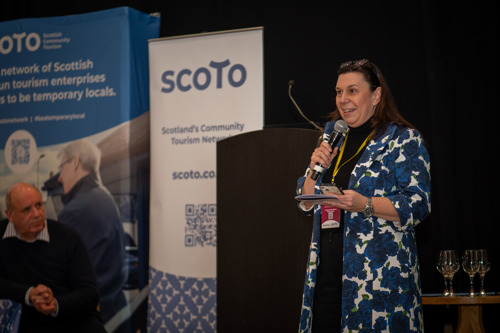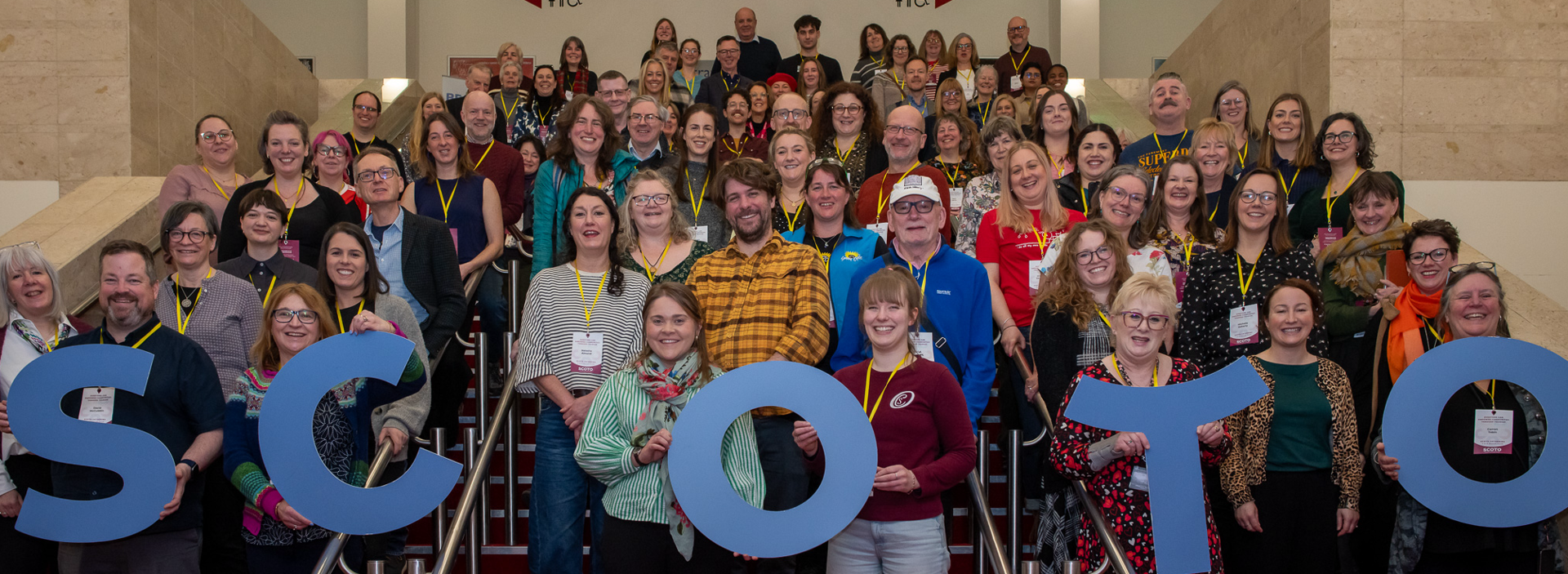
There are conferences that share ideas, and there are conferences that inspire & spark momentum. The recent SCOTO Conference felt very much like the latter — a gathering of people who believe tourism can be a force for good, rooted in communities, shaped by local voices and powered by collaboration.
Powerful Premise
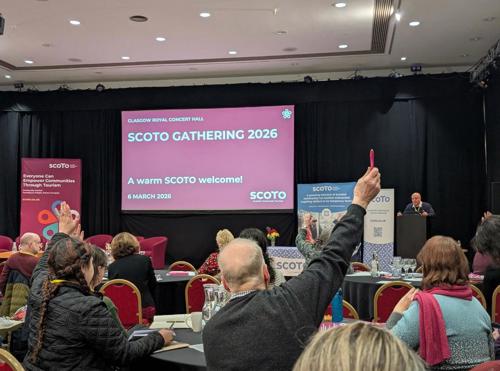
The day opened with a simple but powerful premise: everyone can empower communities through tourism. What followed were stories, case studies and lived experiences that brought that idea to life from island, business and urban perspectives.
- An Island Perspective: Opportunity in Remote Places
Luke Fraser, North Ronaldsay Trust, Chair of the Scottish Islands Federation and SCOTO CIC Director, reflections from Orkney reminded us that place shapes everything — from opportunity to challenge. Remote island communities face very real issues around connectivity, infrastructure and capacity. Yet they also show remarkable ingenuity.
Two communities in Orkney are taking very different approaches to tourism development, demonstrating that there is no single model that works everywhere. What matters is aligning tourism with local priorities.
Cruise tourism featured strongly in this discussion. Rather than simply accommodating ships, the conversation focused on maximising opportunity for community benefit.
And the stories were unforgettable:
- The Tomb of the Eagles, a community-run heritage site that has become a powerful example of local stewardship.
- The Sheep Dyke volunteering event, where people came together to rebuild traditional stone walls — a reminder that tourism and heritage conservation often go hand in hand.
- And perhaps the most delightfully unexpected: “cakes on a plane.” Who knew that homemade baking delivered to incoming flights could become such a symbol of island hospitality?
These stories showed that community tourism isn’t abstract policy — it’s practical, creative and deeply human.
- A Business Perspective: Values That Drive Success
Kat Brogan from Mercat Tours offered a powerful business perspective.
Celebrating 40 years of giving history “a damn good telling,” Mercat Tours has built a globally recognised brand while remaining deeply values-led. As a certified B Corp, the company places people, purpose and community at the centre of its operations.
What stood out most was their team-led culture. Leadership is shared, impact is measured, and the whole organisation is aligned around a clear “why”.
Key insights included:
- Measuring diversity and inclusion within the team
- Being transparent about impact
- Celebrating and sharing stories of change
- Understanding that money matters — and values-led businesses should know their power
The message was clear: doing good and doing good business are not mutually exclusive.
- An Urban Perspective: Tourism as a Force for Good
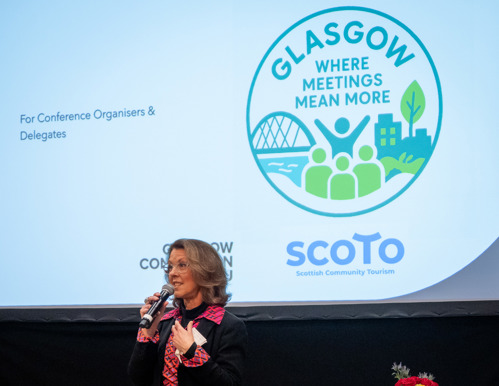
Aileen Crawford, Head of Tourism & Conventions, Glasgow Convention Bureau, introduced the Glasgow team and shared exciting news about the launch of “Glasgow: Where Meetings Mean More.”
This initiative demonstrates how conferences and events can deliver genuine community impact. Delegates are not simply visitors — they become part of the city’s social fabric through connections with local organisations, charities and social enterprises.
Tourism here becomes something more meaningful: a platform for social good and local collaboration.
Six City Perspectives: Stories That Bring Glasgow to Life
The afternoon’s six city perspectives revealed just how many layers of storytelling exist within a city like Glasgow.
Each organisation demonstrated how tourism can amplify local pride, wellbeing and connection.
Vanessa Gilpin – Gathering Ground
Community spaces that nurture deep connections to place, providing opportunities for people to come together and share local perspectives.
Rob Morrison – Civic House
A vision for revitalising Glasgow’s industrial heritage — transforming historic spaces into hubs for civic innovation and creativity, effectively creating a living museum for the city.
Annette Mullen – Friends of the Glasgow Necropolis
The majestic Necropolis is home to thousands of permanent residents, but it is the untold stories of inspirational women and the passion of volunteers that truly bring the site to life.
Lauren Macrae – The Tall Ship Glenlee
A powerful reminder of Glasgow’s global maritime significance. Through education, events and partnerships with the creative industries, the ship balances commercial sustainability with community engagement.
Michaela Ditrichova – Invisible Cities
An inspiring initiative where people with lived experience of homelessness become tour guides. Through powerful storytelling and partnerships, the organisation has grown rapidly and is changing perceptions while creating meaningful employment.
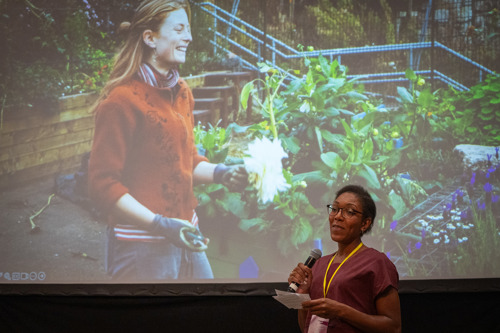
Mairi Reilly – The Hidden Gardens
Scotland’s only sanctuary garden dedicated to peace, built on layers of industrial history. Through environmental arts and community engagement, the space offers a place to reconnect with nature and reflect.
Together, these examples illustrated the power of local storytelling — creating connection, belonging and pride in place.
People, Places and Purpose
The afternoon sessions brought a deeper focus to the foundations of community tourism.
People – Failte Feirste Thiar/Visit West Belfast
Eimear Hargey shared the story of tourism in West Belfast, highlighting both the opportunities and challenges.
From Ireland’s largest community arts festival to grassroots cultural initiatives, tourism here is deeply embedded in local identity. But the challenges are real — particularly the lack of long-term funding for community-led initiatives.
Despite this, the presentation showed how tourism can create opportunities when people and culture remain at the centre.
Places – Ilismiatusarfik - Greenland University
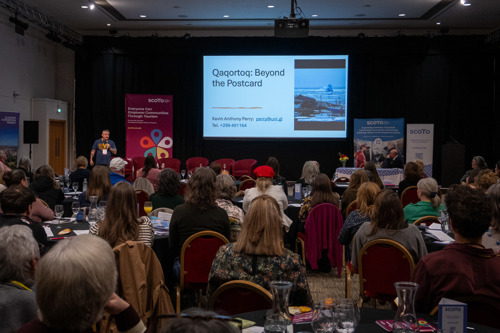
Kevin Anthony Perry's presentation took us far beyond the postcard images of Arctic landscapes.
He spoke honestly about the stark realities of poverty and homelessness that can sit alongside tourism growth. It was a powerful reminder that destination development must always consider the social realities of place.
Purpose – The People’s Economy
Jess Silvester shared a UK perspective on tourism’s role within the wider people’s economy, including discussion around tourist taxes and levies.
Drawing on examples from across the world, the session explored how these mechanisms can support infrastructure, community benefit and destination stewardship — while acknowledging the political and practical challenges involved.
Shared learnings
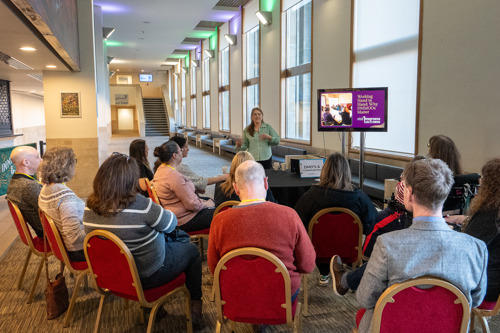
During the coffee and cake sessions, attention turned to collaboration.
Stronger Together -
A UK Voice for Community Tourism
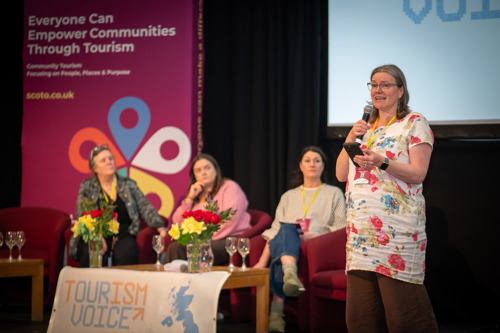
The Knowledge Exchange reflections of the Reykjavík Declaration, brought together representatives across the UK to launch Community Tourism UK and the UK Declaration these were important milestones for a new movement.
The message was simple: if community tourism is to scale its impact, we need to work together, share learning and support one another across regions and nations.
Gratitude and Momentum
Huge thanks are due to the event’s sponsors, without whose support the event would not have happened, including the Glasgow Convention Bureau and the Scottish Community Alliance.
Their advocacy and commitment created space for conversations that truly matter.
Be the Catalyst.
As the conference closed, one thought stayed with many of us.
Tourism has the potential to connect people, places and purpose — but only if individuals step forward to help make it happen.
SCOTO often talks about being the facilitator that connects communities, businesses and policymakers.
But the invitation went further than that.
Go be the catalyst.
Create momentum.
Champion change.
Support succession and leadership within your communities.
Because ultimately, everyone can empower communities through tourism.