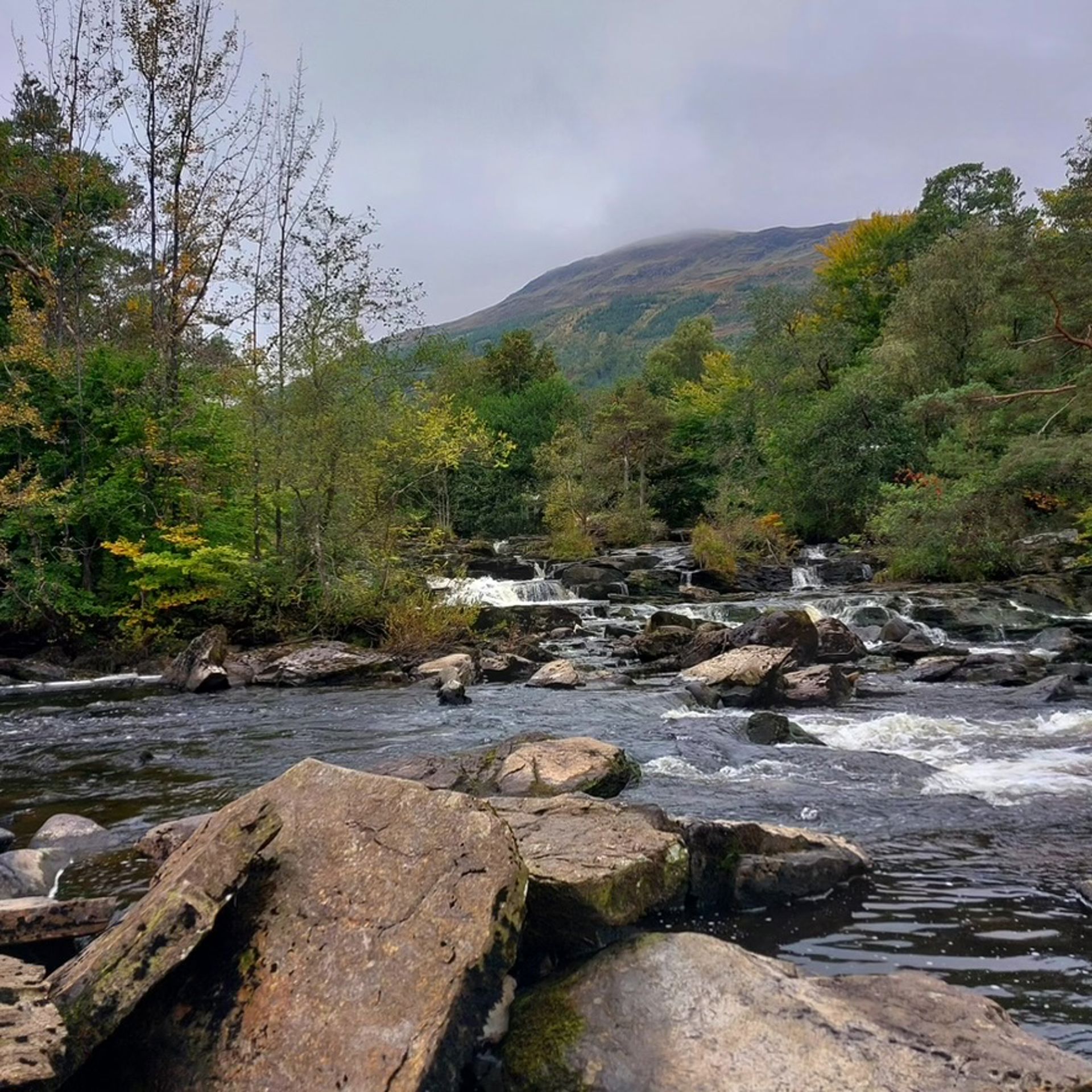
Scotland and Japan have much in common in the context of rural tourism: Stunning natural scenery, rich histories and traditions, a strong commitment to cultural preservation, small-scale and community-based tourism, and shared challenges such as depopulation and ageing communities…
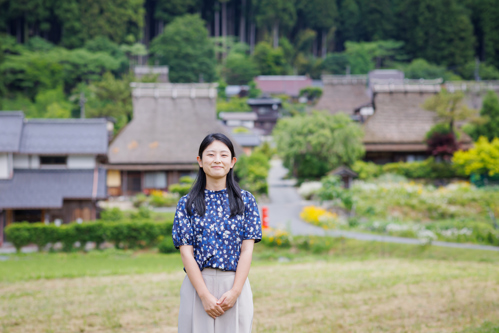
After working for nine years at the local Destination Management Organisation in Kyoto Miyama, a Best Tourism Village selected by UN Tourism, I decided to study at the University of Glasgow to gain more academic insights into sustainable tourism and to learn about the emerging initiatives of SCOTO.

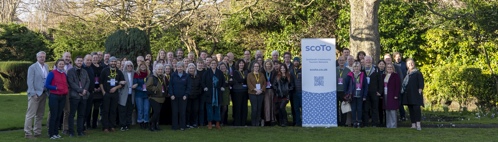
During my time in Scotland, I was fortunate to attend SCOTO’s annual meeting and to interview SCOTO Executive Director Carron Tobin. With their generous support, I completed my master’s dissertation titled “Governance of community-led tourism in rural Scotland: Roles, Challenges and strategy for implementation”. This article shares a few reflections from my research and experiences in Scotland, alongside insights from rural tourism in Japan.
One of the most striking aspects of Scotland’s approach to community-led tourism is the role SCOTO plays in bringing communities together. SCOTO supports local revitalisation while helping to protect cultural heritage and the natural environment. What stood out most to me was the diversity of its membership, representing a wide range of organisations and businesses, and the shared passion for developing tourism that truly benefits communities.
Like many rural areas worldwide, community-led tourism initiatives in both Scotland and Japan face ongoing funding challenges. Long-term sustainability depends on strong collaboration and partnerships with a broader range of stakeholders. In rural Japan, funding sources beyond
government subsidies are gradually expanding, including corporate hometown tax donations and crowdfunding. There is also growing interest in engaging “related populations”: people who continue to support rural areas while living in urban centres.
In Scotland, SCOTO’s position as a neutral organisation without direct vested interests in individual communities allows it to act as a trusted coordinator. This role helps connect communities with new external organisations and businesses, opening doors to new ideas, resources, and funding opportunities.
From my perspective, SCOTO is particularly advanced in several key ways. It operates across administrative boundaries, enabling projects that extend across regions. It collects, consolidates and shares best practices and relevant data from different regions. It acts as a bridge among diverse stakeholders, helping communities unlock their full potential. It also provides consultation for project development, including support for securing funding.
The presence of SCOTO, which enables rural communities across Scotland to act collectively, is a significant strength for community-led tourism, especially where the capacity of each community may be limited. This collective approach also allows locally grounded insights to inform policy discussions at national level, helping to reduce the gap between policy design and on-the-ground realities. In contrast, organisations dedicated specifically to community-led tourism remain relatively underdeveloped in Japan.
Living in Scotland showed me how deeply sustainability is embedded in everyday life, from energy transparency on beer labels to widely available water-refill stations and free access to menstrual products. Sustainability here feels like a shared social value, extending far beyond the tourism sector.
While Japan is also pursuing sustainable tourism in line with the national strategies, efforts can feel more fragmented, and sustainability has yet to be fully integrated across sectors and into daily life in the same way. Scotland’s collective, network-based approach offers valuable lessons, just as Japan’s evolving funding mechanisms and long-term engagement with external supporters may offer inspiration in return.

My time in Scotland has shown me that community-led tourism thrives when trust, collaboration, and shared values come together. While Scotland and Japan face similar rural challenges, their approaches offer valuable lessons for one another. By continuing dialogue and exchange between practitioners, policymakers, and communities in both countries, we can build stronger, more resilient rural tourism models—grounded in local voices while connected globally.
Lastly, I would like to express my sincere gratitude to everyone at SCOTO for their warm and generous support of my research.
Waka Takamido, Kyoto Miyama Tourism Association