Following a trip to Alloa’s The Auld Gambling Hoose, Kenny Leiske unpacks how local live music venues are attracting visitors to town centres and supporting Scotland’s visitor economy.
BLOG
Why Scotland's Independent Music Venues Matter
When we talk about tourism, we tend to think about the obvious things, like castles, landscapes, international arts festivals, whisky and food. All of these things matter, but there is another part of the visitor economy that is much easier to overlook.
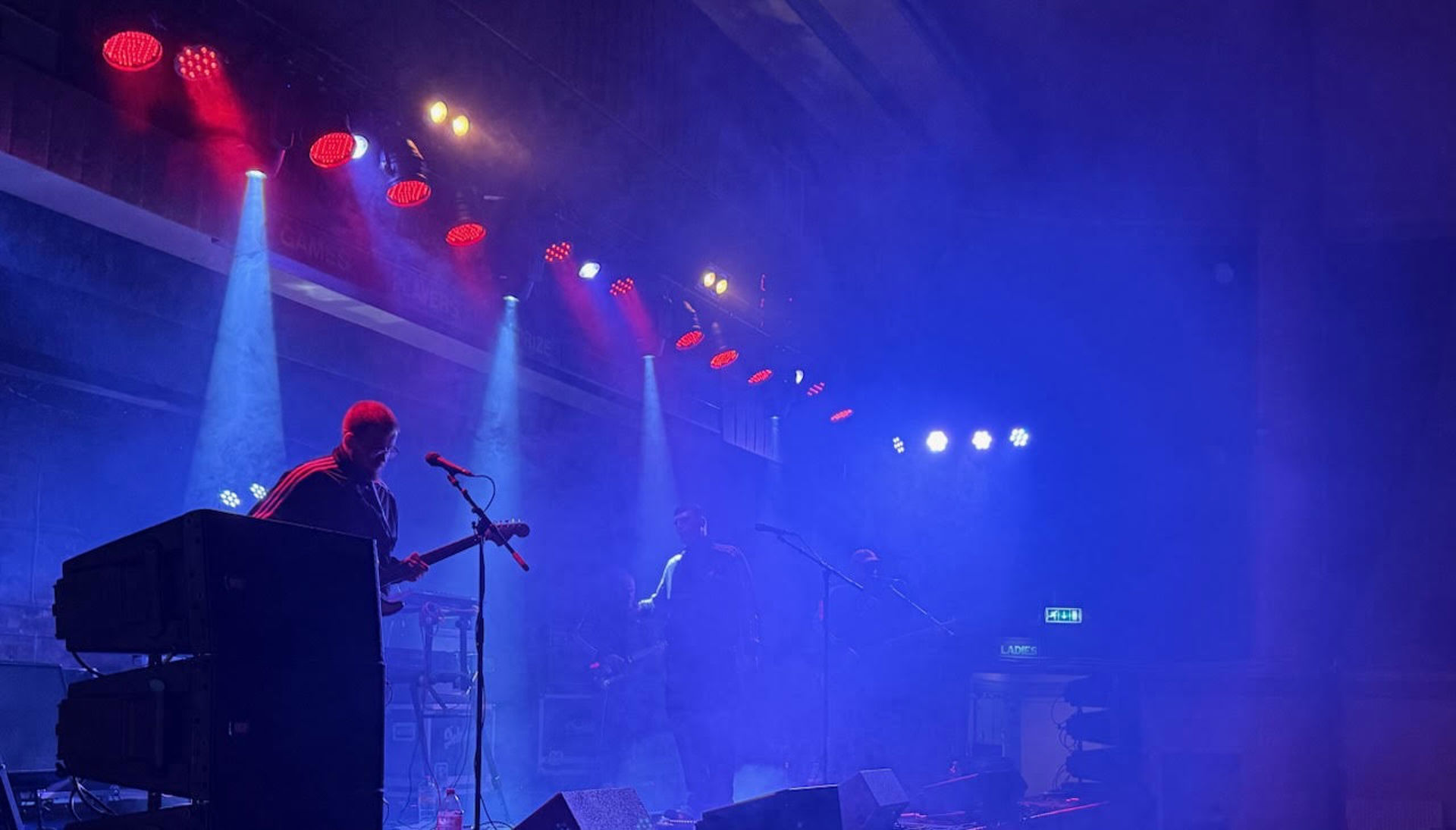
I recently found myself travelling to Alloa to see a band called Deltamanic. Their combination of energetic soul and self-assured funk isn't necessarily the sort of sound you would imagine emerging from a small town in Clackmannanshire, but Scotland has form when it comes to producing artists who transcend geographical and musical boundaries. The Average White Band, with a similar sound, went on to become one of the most internationally successful and critically acclaimed bands of the 1970s, serving as a reminder that great music doesn't always come from the places we expect to find it.
Deltamanic sit comfortably within that tradition. Their music has a depth of quality that, when you first hear it, could simply be attributed to good studio production. However, seeing them on stage quickly dispels that idea. They've clearly put the work in over a number of years and can effortlessly replicate that rich sound in a live setting.
Home Crowd Advantage
They also seem to thrive in front of an audience, and there was something incredibly unpretentious about watching a local band playing to their home crowd, in a small venue which itself felt genuinely invested in their growing success. That connection, for me, is precisely what makes independent music so interesting.
The venue in question was The Auld Gambling Hoose, a former Bingo Hall, which closed in 2023 following the administration of its previous operator. Rather than becoming another vacant town-centre property, the building’s interior was perfectly frozen in time while simultaneously being given a new lease of life as a music venue.
It’s a great local asset, but its importance cannot be overstated because it doesn't operate in isolation. Independent music venues form part of a wider ecosystem that gives young bands a platform and enables them to develop their skills, while also forming part of a broader network of venues that allow emerging artists to tour, build new audiences and grow their reach.
But this isn't just a romantic argument about the importance of contemporary music.
Grassroom Music and Community-Led Tourism
There is a substantial economic case for protecting that ecosystem. The UK Government's Culture, Media and Sport Committee inquiry into music venues in 2024 found that the sector contributed £5.2 billion to the UK economy, and supported 228,000 full and part-time jobs. Of the 37 million people attending concerts and festivals, 14.4 million were tourists, including 1.1 million travelling from overseas.
And this is where the relationship between grassroots music and community-led tourism becomes particularly interesting. For every 10,000 people attending a concert, around £1 million is spent in the local economy on things such as restaurants, pubs, transport and accommodation. That spending isn’t just through major festivals or internationally recognised artists. It is built around a wider network of places and people, many of them operating at a much smaller scale, where independent venues, local promoters and emerging bands all contribute to that economic success.
It’s precisely why grassroots music venues should be understood as part of the visitor economy rather than simply as discrete entertainment businesses. They create reasons for people to travel, often to places that sit outside established tourism destinations. They bring audiences into town centres, extend activity into the evening and encourage more people to stay overnight.
A Visitor Economy for the Future
The problem is that the infrastructure supporting live music is becoming increasingly fragile. Research by the Music Venue Trust shows that the venues and bands themselves are capturing very little of the value they generate. Scottish grassroots venues operated on an average profit margin of just 0.48%, with 43.8% reporting a loss. In addition, the average grassroots tour has fallen from almost 22 shows across 28 locations in 1994 to just 11 shows across 12 locations in 2024. In Scotland, only Glasgow consistently remained on the UK wide touring circuit, with even Edinburgh increasingly struggling to showcase new and emerging talent.
That matters for the visitor economy because when smaller towns disappear from the touring network, they lose more than live music. They lose one of the reasons people might choose to visit them. So the question isn't simply whether Scotland wants to celebrate its musical heritage. It is whether we recognise the infrastructure that allows that music, and the tourism sector around it, to thrive in the first place.
That puts my trip to Alloa into a slightly different perspective. I didn't go because the town had been packaged as a cultural hotspot by a destination management organisation. I didn’t go to see a 15th-century tower preserved by the National Trust for Scotland. I went because a local band provided a reason to travel, an independent venue provided the space, and the town’s residents became a central part of the experience.
If we want to create a visitor economy that is vibrant, distinctive and rooted in the communities that sustain it, then we need to pay much more attention to the ordinary places where local communities come together. The places where culture is not simply displayed for visitors to see, but is created through the everyday lives of those who live there, and where younger people in particular are actively shaping Scotland's future rather than simply curating its past.
By Kenny Lieske, Good Organisation
Do you want to be a SCOTO Networker, Supporter or Enterprise?
Find out more about how you can join SCOTO